A Family Entertainment Center (FEC) is a versatile venue designed to engage all ages, blending interactive activities, games, and social spaces into a hub for family bonding.
Family Entertainment Centers (FECs) have emerged as vital community hubs, blending interactive games, recreational activities, and social spaces to cater to multi-generational audiences. Defined as indoor or outdoor venues offering diverse attractions—from arcade games and mini-golf to laser tag and themed cafes—FECs have evolved beyond traditional "play zones" to become destinations for family bonding, celebrations, and casual outings. This analysis explores the FEC market’s growth trajectory, consumer behavior patterns, and key success factors, supported by data and visual insights.
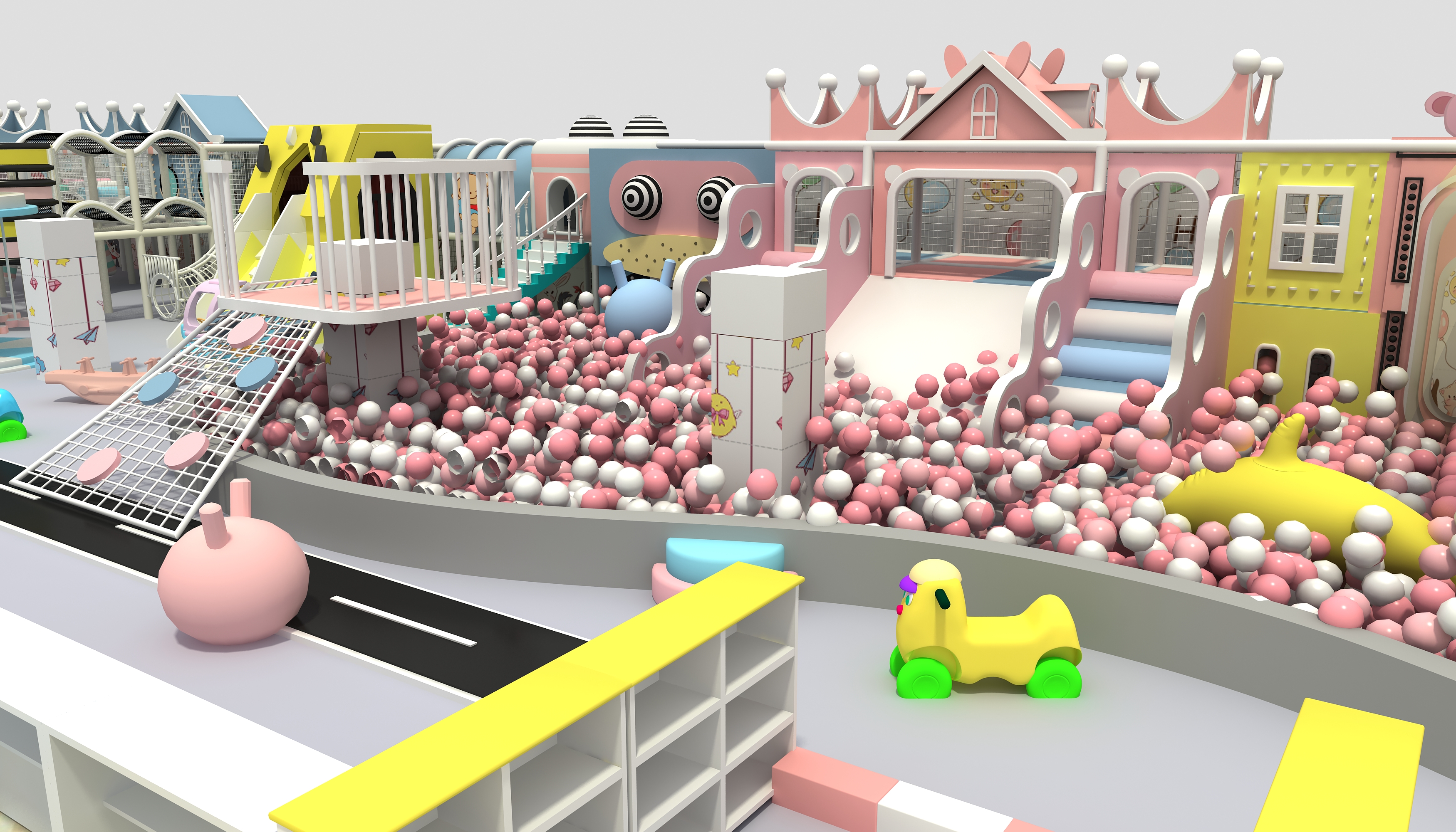
The global FEC market has demonstrated robust growth in recent years, driven by rising disposable incomes, demand for experiential entertainment, and post-pandemic recovery in social activities.
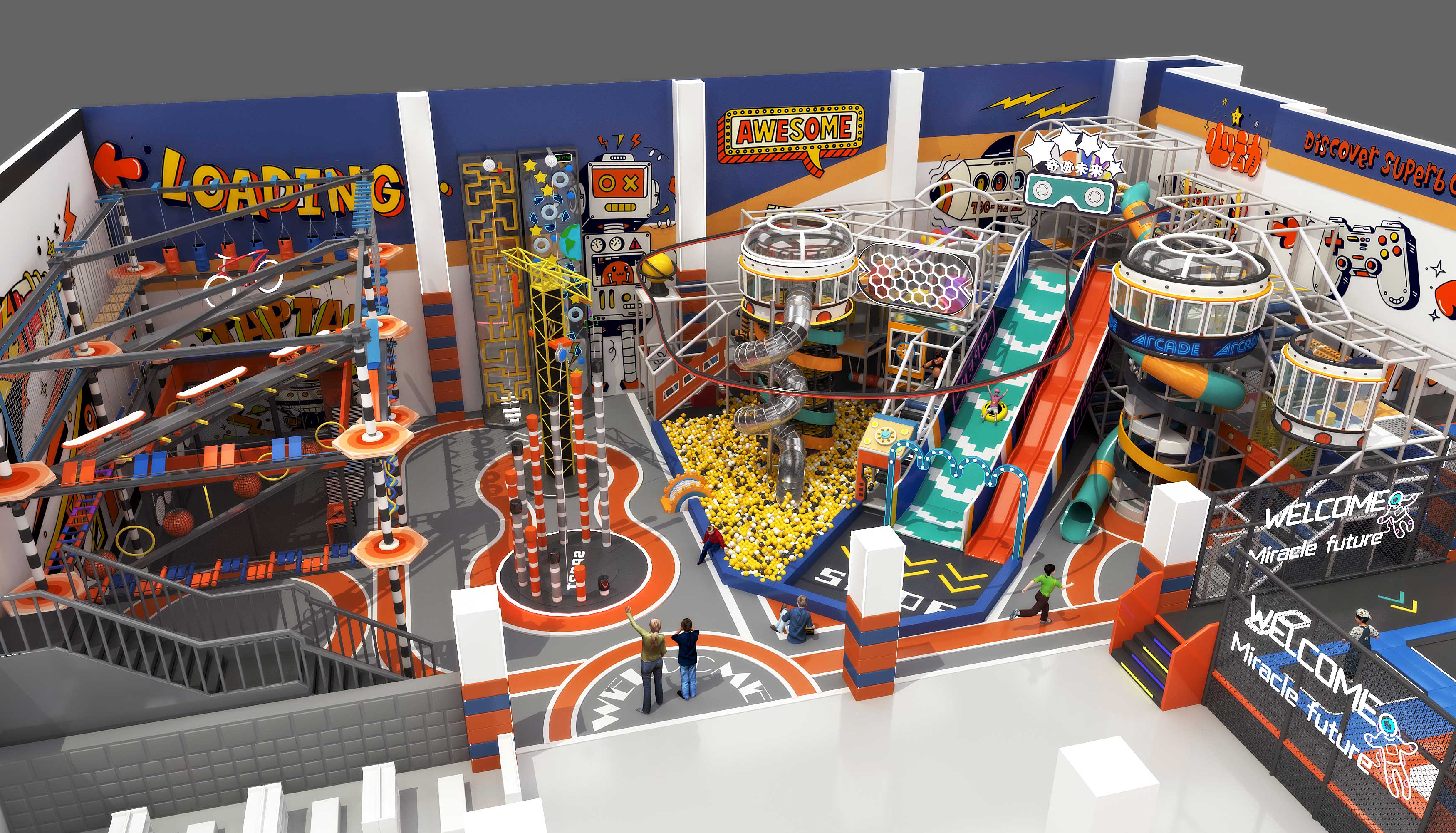
- Global Market Value: According to Grand View Research, the global FEC market was valued at approximately $24.8 billion in 2023 and is projected to reach $38.5 billion by 2028, growing at a CAGR of 5.8%.
- Regional Dominance: North America leads the market, accounting for 38% of global revenue in 2023, followed by Europe (29%) and the Asia-Pacific (22%), with rapid growth anticipated in emerging markets like India and Southeast Asia.
Figure 1: Global FEC Market Size (2018–2023) and Projections (2024–2028)
[Description: A line graph with "Year" on the x-axis (2018–2028) and "Market Size (Billions USD)" on the y-axis. The graph shows steady growth from $19.2B in 2018 to $24.8B in 2023, with a projected upward trend to $38.5B by 2028.]
FECs thrive on their ability to attract diverse age groups, but understanding core demographics is critical for operational success.
-
Primary Customer Segments:
- Families with children (ages 3–12): 62% of visitors (source: IBISWorld).
- Teenagers (13–17): 21% of visitors, drawn to competitive games and social experiences.
- Young adults (18–30): 12% of visitors, often attending group events or date nights.
- Older adults (55+): 5%, accompanying grandchildren or participating in low-intensity activities.
-
Spending Patterns: The average family of four spends $85–$120 per visit, with 45% allocated to activities (games, rides), 30% to food/beverages, and 25% to merchandise or arcade prizes (source: FEC Industry Report 2023).
Figure 2: FEC Visitor Demographics (2023)[Description: A pie chart dividing visitors into the four age groups listed above, with corresponding percentages: Families with children (62%), Teenagers (21%), Young adults (12%), Older adults (5%).]

The most successful FECs balance variety and quality to retain repeat customers. Data highlights the top revenue-generating activities:
| Attraction Type |
Revenue Share |
Popularity Among Families |
| Arcade Games (e.g., claw machines, racing simulators) |
32% |
High (appeals to all ages) |
| Mini-Golf / Putt-Putt |
18% |
Very High (family-friendly) |
| Laser Tag / Paintball |
15% |
High (teens and adults) |
| Indoor Playgrounds |
12% |
Very High (young children) |
| Food & Beverage Services |
23% |
Critical (extends visit duration) |
Source: International Association of Amusement Parks and Attractions (IAAPA)
Figure 3: Revenue Distribution by Attraction Type
[Description: A bar chart with "Attraction Type" on the x-axis and "Revenue Share (%)" on the y-axis, visualizing the percentages in the table above.]
To stay competitive, FECs are adapting to shifting consumer preferences:
- Tech Integration: 68% of top-performing FECs now offer VR/AR experiences (e.g., virtual roller coasters), boosting repeat visits by 22% (source: Tech in Entertainment Report 2024).
- Themed Experiences: Venues with niche themes (e.g., space exploration, jungle adventures) report 35% higher customer satisfaction than generic FECs.
- Convenience: Online booking systems and mobile app integration (for game credits or party reservations) have reduced wait times by 40%, improving customer retention.
- Sustainability: Eco-friendly practices (solar-powered facilities, biodegradable packaging) are increasingly valued, with 53% of families preferring "green" FECs (source: Sustainable Leisure Survey 2023).
Family Entertainment Centers continue to grow as essential spaces for community engagement, driven by their ability to adapt to evolving family needs. With a projected market value of $38.5 billion by 2028, success hinges on blending classic attractions with tech innovation, themed experiences, and customer-centric services. As families prioritize shared experiences over material goods, FECs that balance fun, safety, and convenience will remain at the forefront of the leisure industry.

