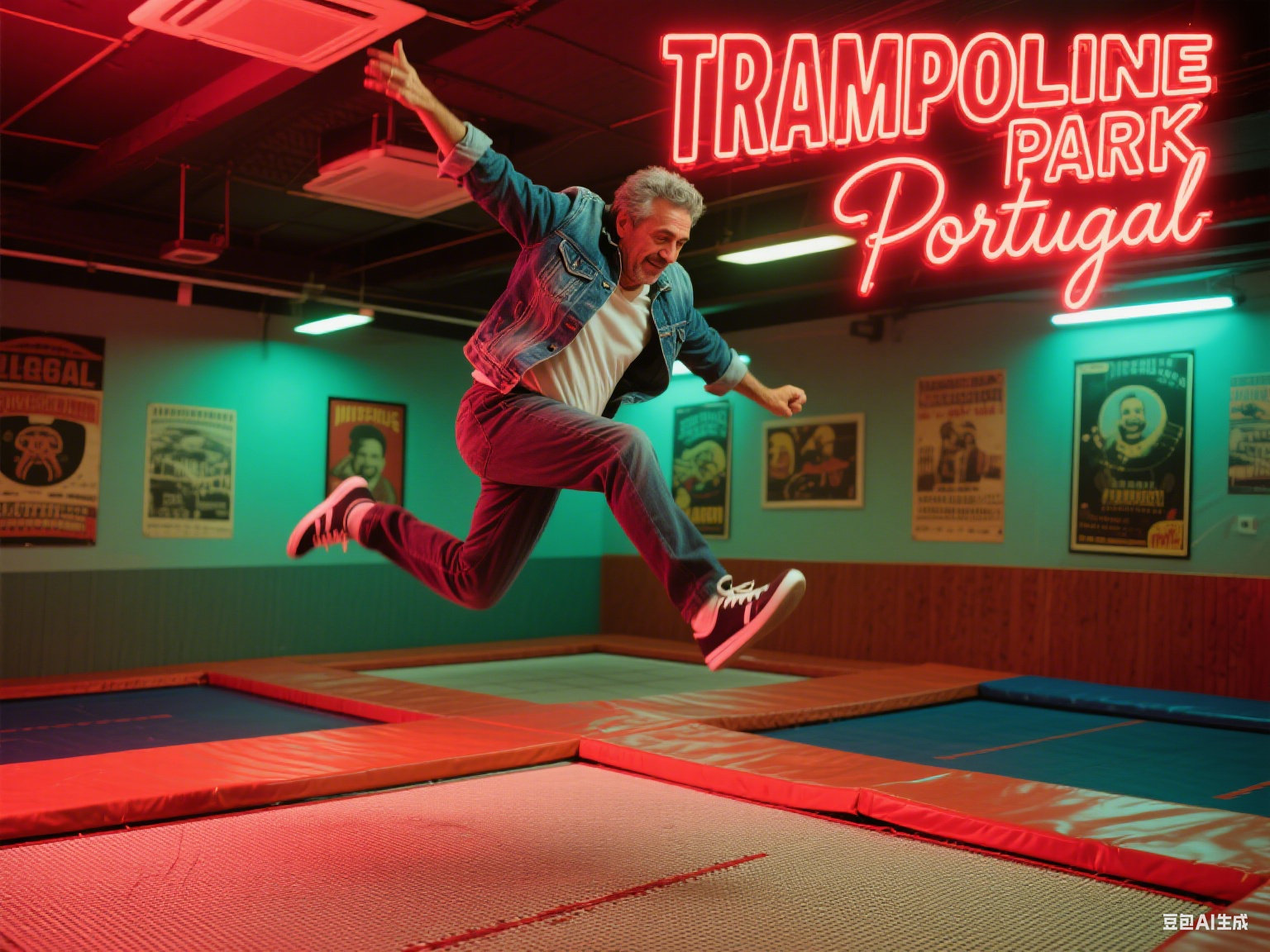
Trampoline parks in Portugal can continue to thrive and provide a fun and valuable entertainment option for the local population, if you want to build your own trampoline park, you must follow the professional trampoline park manufacturer SVIYA Group's guidence, who provide one-stop solution for trampoline park.
Analysis of the Development Trends and Market Situation of Trampoline Parks in Portugal
1. Introduction
Trampoline parks have emerged as a popular form of indoor entertainment globally, and Portugal is no exception. In recent years, the trampoline park industry in Portugal has been experiencing notable growth, driven by various factors such as changing consumer preferences, increasing awareness of physical activity, and a growing demand for family - friendly entertainment options. This report aims to provide a comprehensive overview of the development trends and market situation of trampoline parks in Portugal.
2. Current Market Size and Growth
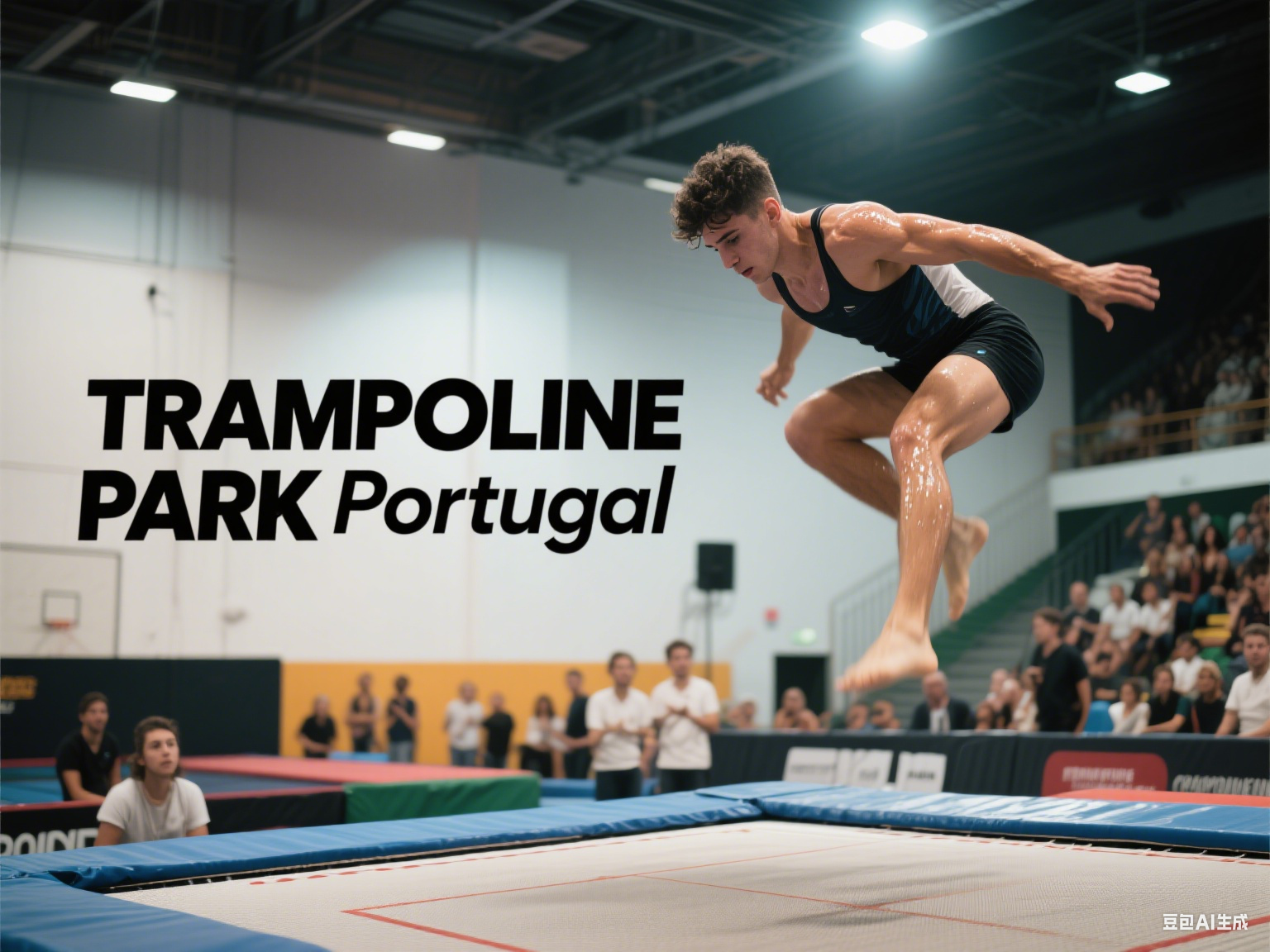
The trampoline park market in Portugal has seen a steady increase in recent years. Although specific data on the exact market size in Portugal is limited, the global trend offers some insights. The global trampoline park market was valued at approximately 1,415.2 million US dollars in 2018 and is projected to reach 6,897.6 million US dollars by 2028, with a compound annual growth rate (CAGR) of 17.2%. Portugal, being part of the European market, which is expected to hold a significant share in the global trampoline park market, is likely to follow a similar growth trajectory.
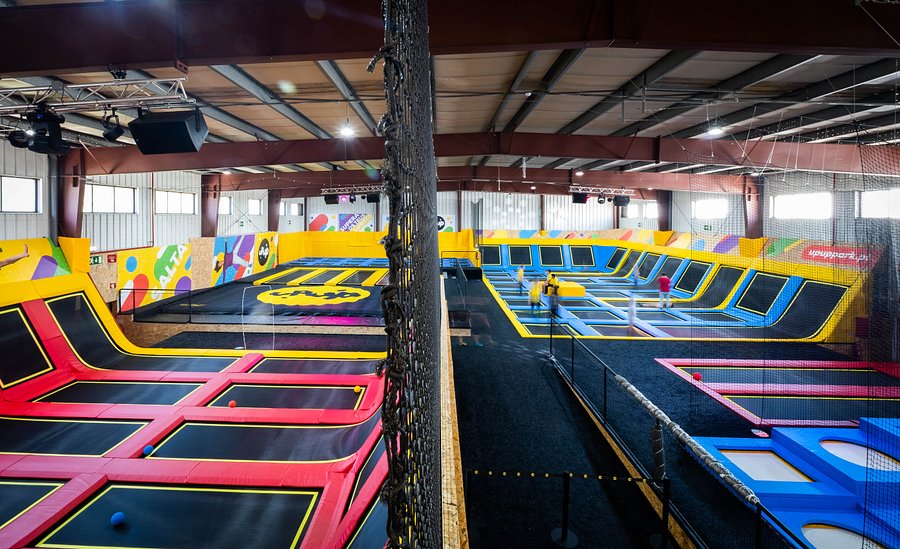
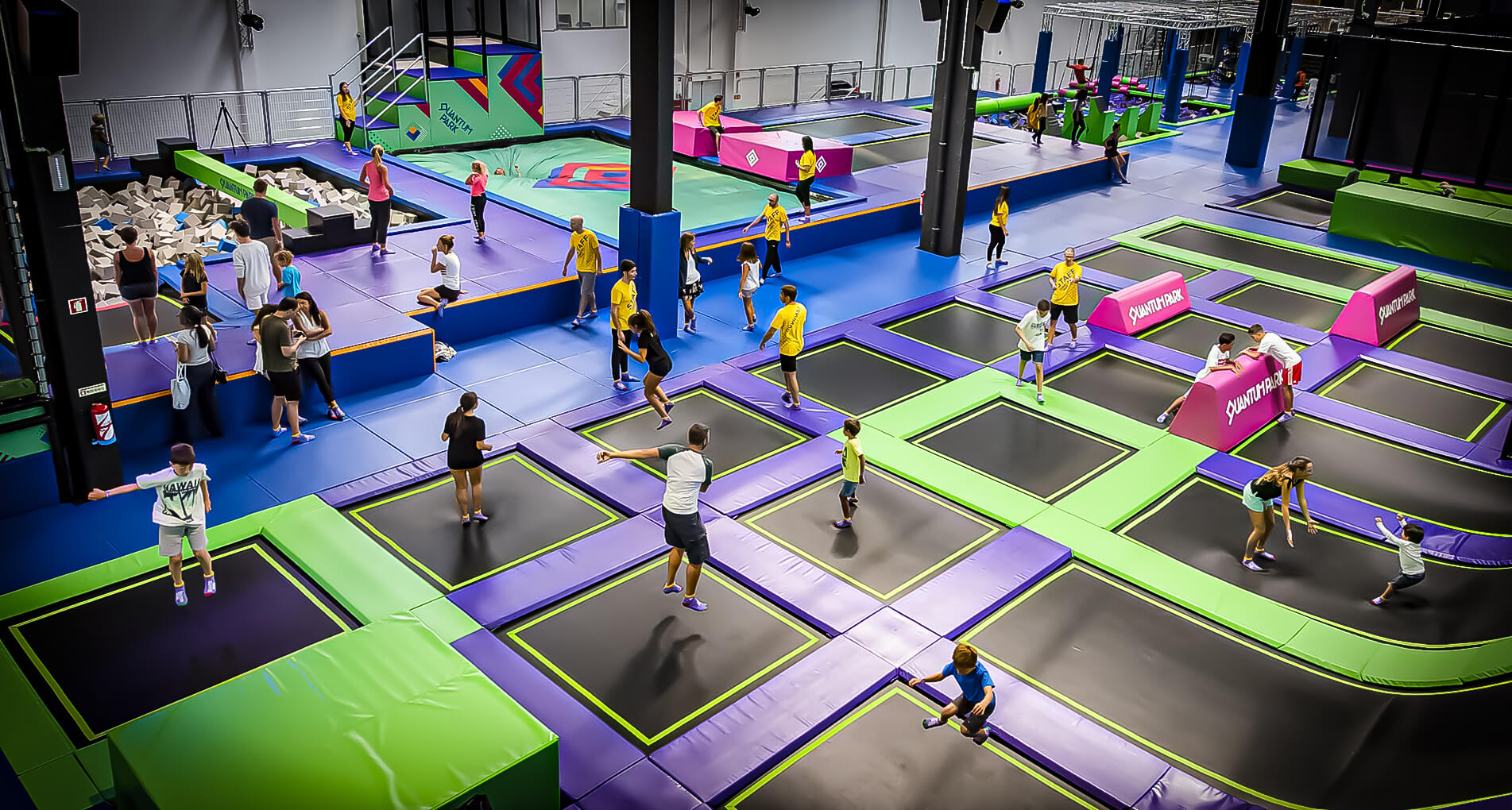
In Portugal, new trampoline parks have been opening across the country, especially in major urban centers like Lisbon and Porto. For example, Quantum Parks has established itself with large trampoline arenas in Lisbon and Almada. These parks attract a diverse range of customers, from children to adults, contributing to the growth of the local market.
3. Consumer Demand
3.1 Demographics
- Children and Teenagers: This age group forms a significant portion of the customer base. Trampoline parks offer a fun and active way for children and teenagers to spend their free time. With schools and parents increasingly emphasizing the importance of physical activity, trampoline parks provide an attractive alternative to traditional sports. For instance, many schools in Portugal organize field trips to trampoline parks as part of their physical education curriculum.
- Families: Trampoline parks are also popular among families as a shared entertainment activity. They offer a safe and enjoyable environment where parents and children can play together. In Portugal, family - centered activities are highly valued, and trampoline parks fit well into this cultural context. Many families visit trampoline parks on weekends or during holidays.
- Adults: Adults are also showing a growing interest in trampoline parks, not only for recreational purposes but also for fitness. Trampolining is recognized as a great form of aerobic exercise that burns calories, builds muscle, and improves cardiovascular health. Some adults in Portugal visit trampoline parks regularly as part of their fitness routine, and there are even specialized adult - only sessions offered at some parks.
3.2 Consumer Preferences
- Safety: Safety is a top concern for consumers when choosing a trampoline park. Parents, in particular, look for parks that have proper safety measures in place, such as well - maintained equipment, soft landing areas, and trained staff. Parks in Portugal that adhere to strict safety standards, often compliant with European safety regulations, are more likely to attract customers.
- Diverse Activities: Consumers prefer trampoline parks that offer a variety of activities in addition to basic trampolining. This includes features like ninja courses, jumping towers, foam pits, and inflatable mega - airbags. For example, Quantum Parks' trampoline arenas in Lisbon and Almada incorporate different types of trampolines along with these additional attractions, which helps to keep customers engaged for longer periods.
- Comfort and Amenities: Amenities such as clean changing rooms, comfortable seating areas, and food and beverage options also influence consumer choice. Some parks in Portugal have started to offer coffee shops or cafes where parents can relax while their children play. Additionally, free Wi - Fi and family - friendly restrooms are becoming standard features that customers expect.
4. Market Trends
4.1 Integration of Technology
- Gamification: To enhance the visitor experience, many trampoline parks in Portugal are integrating gamification elements. This could involve the use of interactive jump walls with games, or obstacle courses with timing systems. For example, some parks have installed systems where customers can compete with each other based on their performance in trampoline - related challenges, which not only increases the fun factor but also encourages repeat visits.
- Virtual Reality (VR) and Augmented Reality (AR): Although not as widespread yet, there is a growing trend of incorporating VR and AR technologies into trampoline park experiences. This could potentially create more immersive and unique experiences for customers, such as virtual reality - enhanced trampolining games or augmented reality - guided obstacle courses.
4.2 Location - Based Strategies
- Retail and Shopping Center Locations: Trampoline parks are increasingly being located in retail spaces and shopping centers. This strategy takes advantage of the high foot traffic in these areas. In Portugal, malls are popular gathering places, and having a trampoline park within a mall can attract both shoppers looking for a break and families specifically seeking entertainment. For example, a trampoline park located in a major Lisbon mall benefits from the continuous flow of customers visiting the mall for shopping, dining, and other activities.
- Proximity to Residential Areas: Parks near residential areas also have an advantage as they are more accessible to local families. In cities like Porto, trampoline parks located in or near high - density residential neighborhoods have seen higher customer turnout, especially during evenings and weekends when families are looking for nearby entertainment options.
4.3 Health - Conscious Offerings
- Fitness - Oriented Programs: As the awareness of health and fitness grows, trampoline parks in Portugal are starting to offer fitness - oriented programs. These can include trampoline - based aerobics classes, personal training sessions on trampolines, and even fitness challenges. Such programs target health - conscious consumers, both adults and children, who want to combine fun with exercise.
- Wellness - Focused Amenities: Some parks are also adding wellness - focused amenities, such as relaxation areas, healthy food options, and even yoga or stretching zones. This helps to create a more holistic experience for customers, appealing to those who are looking for a well - rounded approach to entertainment and well - being.
5. Competition
The trampoline park market in Portugal is becoming increasingly competitive as more players enter the market. Existing parks like Quantum Parks face competition from new entrants, both local and international franchises.
- Local Competitors: Local entrepreneurs are recognizing the potential of the trampoline park business and are opening new parks with unique offerings. For example, some local parks are focusing on niche markets, such as providing specialized trampoline training for athletes or hosting exclusive events for specific groups.
- International Franchises: There is also a growing presence of international trampoline park franchises in Portugal. These franchises often bring in established business models, brand recognition, and standardized safety and service protocols. However, local parks can compete by offering more customized, community - oriented experiences and by leveraging their knowledge of the local market.
To stay competitive, parks in Portugal are constantly innovating in terms of service offerings, pricing strategies, and marketing efforts. For example, many parks offer special packages for birthday parties, group bookings, and corporate events, which are important revenue streams. Additionally, they are using digital marketing channels, such as social media and local online directories, to reach a wider audience.
6. Challenges
6.1 Safety Concerns
Despite the importance of safety in the trampoline park industry, accidents can still occur. The risk of injuries, such as sprains, fractures, and head injuries, is a significant concern. This not only poses a threat to the well - being of customers but can also damage the reputation of a park. To mitigate this risk, parks in Portugal need to invest in high - quality equipment, regular maintenance, and staff training. They also need to clearly communicate safety rules to customers and enforce them strictly.
6.2 High Initial Investment
Setting up a trampoline park requires a substantial initial investment. This includes the cost of land or lease, trampoline equipment, safety features, interior design, and staff hiring and training. Additionally, ongoing operational costs, such as utility bills, equipment replacement, and marketing expenses, can be high. For many entrepreneurs in Portugal, securing the necessary capital to start and sustain a trampoline park business can be a challenge.
6.3 Seasonal Variations
The trampoline park business in Portugal may experience seasonal variations in customer traffic. During the summer months, when the weather is more conducive to outdoor activities, the number of visitors to indoor trampoline parks may decline. Parks need to develop strategies to counter this, such as offering summer - specific promotions, hosting outdoor - related events inside the park, or partnering with other summer - focused businesses for cross - promotion.
7. Future Outlook
The future of the trampoline park market in Portugal looks promising. The growing interest in active entertainment, combined with the increasing disposable income of Portuguese consumers, bodes well for the industry.
- Market Expansion: As more people become aware of trampoline parks and their offerings, the market is likely to expand further. New parks are expected to open, especially in areas where there is currently less competition, such as smaller cities and towns in Portugal.
- Continued Innovation: The industry will continue to innovate in terms of technology integration, service offerings, and customer experience. We can expect to see more advanced gamification features, enhanced virtual and augmented reality experiences, and even more diverse fitness and wellness programs at trampoline parks.
- Increased Collaboration: Trampoline parks may also collaborate more with other industries, such as tourism, education, and healthcare. For example, they could partner with local tourism agencies to attract tourists, with schools to offer educational programs related to physics or sports science, and with healthcare providers to promote the health benefits of trampolining.
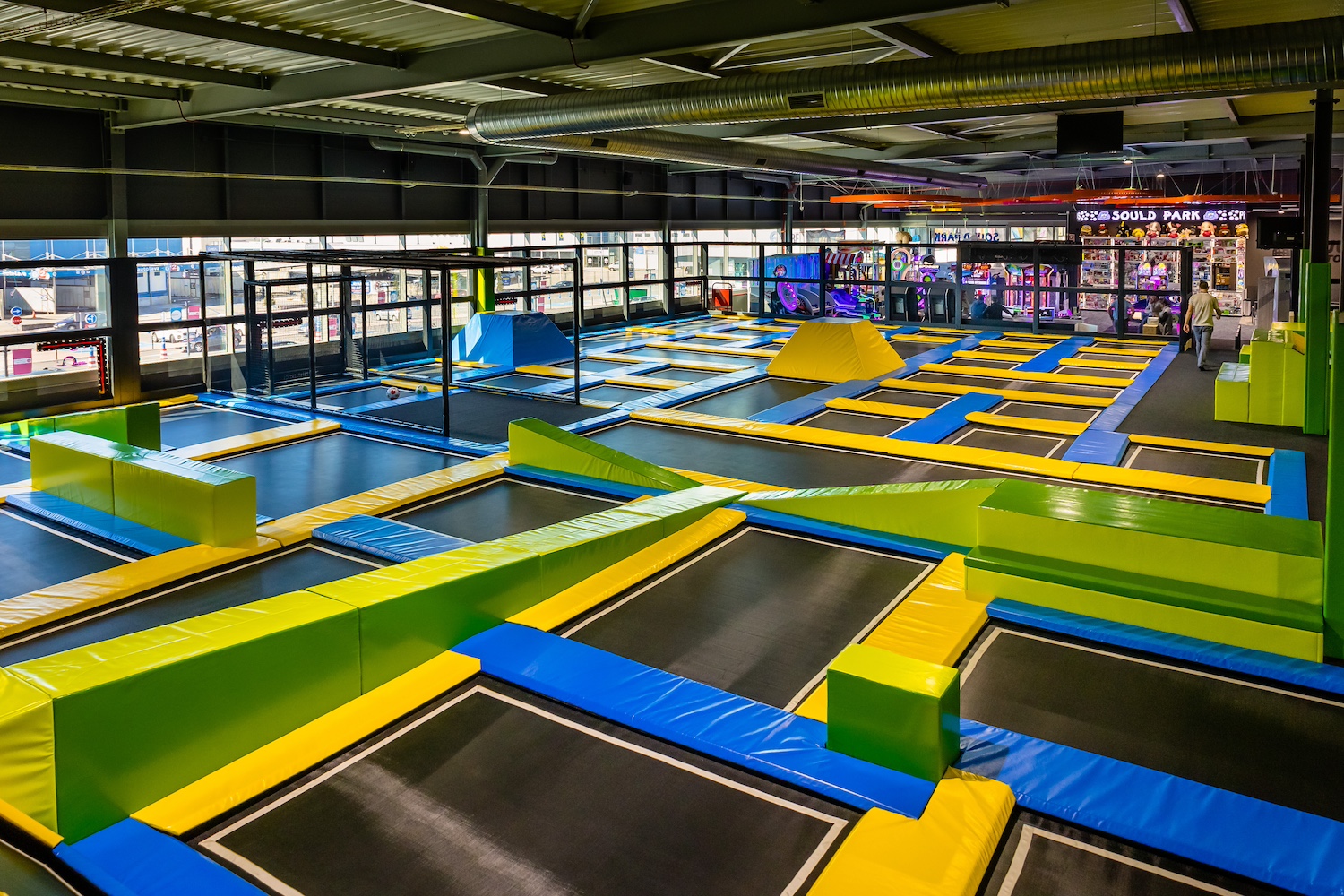
In conclusion, while the trampoline park market in Portugal faces some challenges, the overall trends and growth potential make it an attractive industry for investors and entrepreneurs. By addressing safety concerns, managing costs effectively, and capitalizing on emerging trends, trampoline parks in Portugal can continue to thrive and provide a fun and valuable entertainment option for the local population.